
Replacing a roof is one of the most significant investments a homeowner can make.
Whether you are dealing with leaks, damaged shingles, or an aging roof, understanding the costs involved is crucial.
Roofing replacement is not a one-size-fits-all service, and the expenses can vary widely depending on several factors.
By getting familiar with these factors, you can better prepare your budget, avoid surprises, and make informed decisions when it is time to replace your roof.
This article will discuss the key factors influencing roofing replacement costs.
Each element plays a vital role in determining the final price, from the size of your roof to the materials you choose.
Let's dive in so you can approach your roofing project with confidence!
Factor 1: Roof Size
When it comes to roofing replacement costs, size matters.
The larger the roof, the more materials you will need and the more labor it will require.
Roofers typically measure roofs in "squares," where one square equals 100 square feet.
This measurement is used to estimate the amount of roofing material needed and helps calculate labor costs.
For instance, a small roof of about 1,500 square feet (15 squares) will generally cost less than a larger one of 3,000 square feet (30 squares), all else equal.
However, it's not just about the square footage; the shape and layout of your roof can also impact the cost.
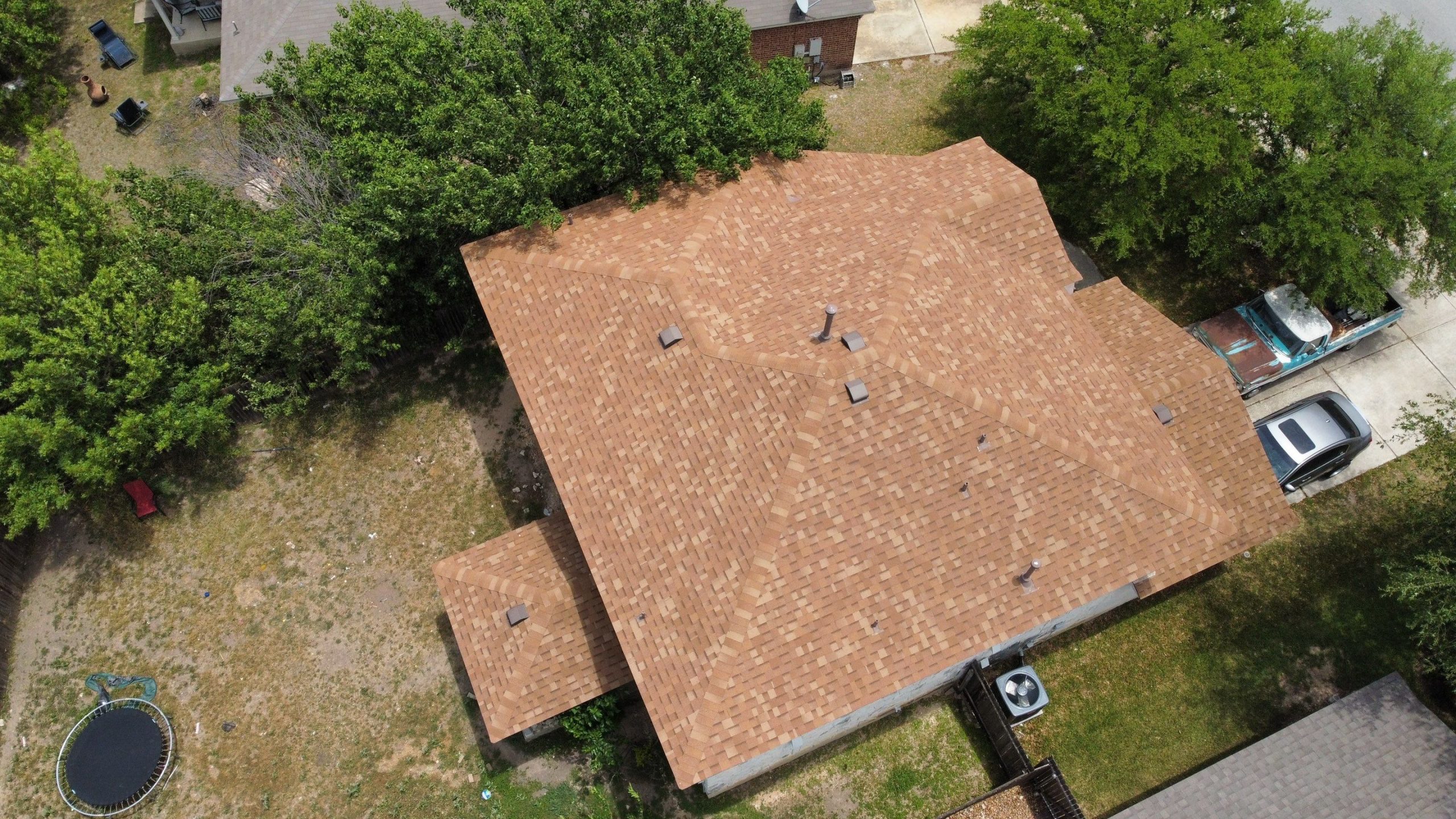
Simple, flat roofs are easier and quicker to replace than those with multiple angles, valleys, and dormers, which require more precision and time.
How to Estimate Your Roof Size
To get a rough estimate of your roof's size, use your home's square footage as a starting point.
However, due to overhangs and complex roof designs, roof size usually exceeds the home's footprint. Use online tools or apps to calculate your roof area based on satellite images for a more accurate measurement.
Alternatively, a professional roofer can provide precise measurements during an inspection.
Understanding your roof's size is the first step in anticipating the potential costs of a replacement.
Larger roofs naturally require more materials and labor, so knowing this can help you set realistic expectations for your budget.
Factor 2: Roofing Material
The type of material you choose for your roof is one of the most significant factors influencing the overall replacement cost.
Roofing materials vary widely in price, durability, and aesthetic appeal, so weighing your options carefully is crucial.
Common Roofing Materials and Their Costs
1. Asphalt Shingles
- Cost: $100 to $150 per square.
- Lifespan: 20-30 years.
- Overview: Asphalt shingles are the most popular choice among homeowners due to their affordability and ease of installation. They come in various colors and styles, making them a versatile option. However, they tend to have a shorter lifespan compared to other materials.
2. Metal Roofing:
- Cost: $300 to $700 per square.
- Lifespan: 40-70 years.
- Overview: Metal roofing is known for its durability and longevity. It's resistant to extreme weather conditions and can significantly boost your home's energy efficiency by reflecting heat. The higher upfront cost can be offset by its long-term performance.
3. Tile Roofing:
- Cost: $600 to $1,200 per square.
- Lifespan: 50+ years.
- Overview: Tile roofs, often made from clay or concrete, are highly durable and offer a distinctive, elegant appearance. They're especially popular in warmer climates. Despite their high cost and weight, which might require additional structural support, their longevity makes them a worthwhile investment.
4. Wood Shingles/Shakes:
- Cost: $400 to $700 per square.
- Lifespan: 25-40 years.
- Overview: Wood shingles and shakes provide a natural, rustic look. While they offer good insulation and are environmentally friendly, they require more maintenance and are less fire-resistant unless treated.
5. Slate Roofing:
- Cost: $1,000 to $2,000 per square.
- Lifespan: 75-100+ years.
- Overview: Slate is one of the most durable roofing materials available, with a lifespan that can outlast the building itself. Its natural stone appearance is unmatched, but the high cost and weight make it a premium option for those who want the best.
Choosing the Right Material
When choosing a roofing material, consider not only the upfront cost but also the longevity, maintenance requirements, and how well it suits your home's style and climate.
For example, while asphalt shingles might be the most affordable, metal or tile roofing could save you money in the long run due to their durability and energy efficiency.
Each material has its own advantages and potential drawbacks, so it's essential to align your choice with your long-term needs and budget.
Consulting with a roofing professional can also help you make the best decision based on your specific situation.
Factor 3: Labor Costs
Labor costs are another significant factor that affects the overall expense of a roofing replacement project.
These costs can vary widely depending on several factors, including the job's complexity, the roofing crew's experience, and regional price differences.
Understanding Labor Costs
1. Regional Variations:
Labor costs can differ dramatically from one region to another.
In areas with a high cost of living or where roofing contractors are in high demand, you can expect to pay more for labor.
Conversely, labor costs might be more affordable in regions where the market is more competitive, or the cost of living is lower.
2. Roof Complexity:
The complexity of your roof’s design also plays a role in determining labor costs.
A simple, single-story roof with a gentle slope will generally be less expensive to replace than a multi-level roof with steep pitches, numerous angles, or intricate designs.
Complex roofs require more time, skill, and safety precautions, all of which can increase labor costs.
3. Experience and Expertise:
The experience and reputation of the roofing contractor can influence labor costs.
Highly skilled and reputable roofers may charge more for their services, but they often deliver higher-quality work, saving you money on repairs and maintenance in the long run.
Balancing cost with the work quality you will likely receive is important when choosing a contractor.
4. Time Required:
The time it takes to complete the roofing project also affects labor costs.
Unforeseen issues, such as damaged decking or hidden structural problems, can extend the project timeline, resulting in higher labor charges.
It's a good idea to discuss potential scenarios with your contractor beforehand to understand how they might impact costs.
Tips for Managing Labor Costs
To manage labor costs effectively, consider getting multiple roof replacement quotes from different contractors.
This will give you a sense of the going rate in your area and help you identify any outliers.
Additionally, ensure that the contractor you choose is licensed, insured, and has good references.
While it might be tempting to go with the lowest bid, remember that quality workmanship is critical for something as essential as your roof.
Factor 4: Roof Slope and Design Complexity
The slope (or pitch) of your roof and its overall design complexity are crucial factors that can significantly influence the cost of a roofing replacement.
These elements affect not only the amount of material needed but also the labor involved, making them essential considerations when estimating your roofing costs.
Understanding Roof Slope
1. Steeper Roofs:
A roof’s slope is typically measured in terms of "rise over run," or how many inches it rises vertically for every 12 inches it runs horizontally.
A steeper roof, such as one with a 12/12 pitch, has a more dramatic incline than a low-slope roof with a 3/12 pitch.
Steep roofs can be more challenging and dangerous to work on, requiring additional safety equipment and more skilled labor, which increases costs.
2. Material Considerations:
The slope of your roof can also determine the type of materials that can be used on it.
Some materials, like slate or tile, are heavier and might not be suitable for very steep roofs without additional structural support, adding to the overall cost.
Impact of Design Complexity
1. Complex Roof Designs:
Roofs with complex designs—such as those with multiple levels, valleys, dormers, or skylights—require more time and precision to install.
Each additional feature adds to the job's complexity, increasing labor and material costs.
For example, working around chimneys, vents, or roof protrusions often requires custom cuts and additional flashing, which can raise the price.
2. Custom Solutions:
If your roof has a unique design, such as a turret or curved sections, it may require custom materials or specialized installation techniques.
These custom solutions increase material costs and the expertise needed to execute the project correctly.
Cost Implications
The slope and design of your roof can affect several aspects of the replacement process, from the type of underlayment and flashing required to the installation techniques used.
As a result, these factors can lead to higher costs for both materials and labor.
For homeowners, it's essential to discuss the specifics of your roof with your contractor.
Understanding how these factors impact the overall cost will help you budget more accurately and avoid unexpected expenses.
Factor 5: Removal of Old Roofing
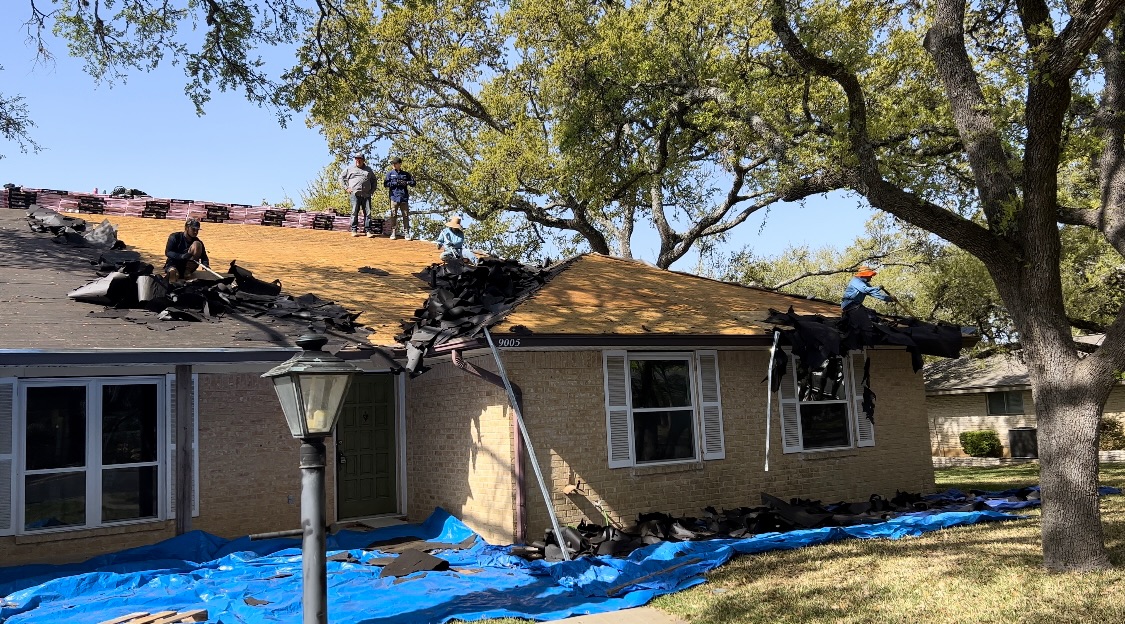
Before a new roof can be installed, the old one must be removed.
The process of tearing off old roofing is labor-intensive and can significantly add to your overall roofing replacement costs.
Understanding what goes into this step can help you prepare for the additional expense.
Why Removal Is Necessary
1. Ensuring a Solid Foundation:
Removing the old roofing material allows your roofer to inspect the underlying deck for any damage.
This step is crucial because installing a new roof over a damaged deck can lead to serious problems down the line, including leaks and structural issues.
Starting with a clean slate ensures that your new roof will be durable and long-lasting.
2. Weight Considerations:
Most homes are designed to support only a certain amount of weight on the roof.
Adding a new layer of shingles on top of the existing one without removal can exceed this weight limit, leading to potential structural damage.
Removal is often mandatory for heavier roofing materials like tile or slate to prevent structure overload.
Factors That Influence Removal Costs
1. Number of Layers:
The cost of removing old roofing increases with the number of layers that need to be torn off.
Many older homes may have multiple shingle layers, each adding to the labor and disposal costs.
While it might be tempting to avoid this expense, removing all old layers is essential for properly and safely installing your new roof.
2. Material Type:
The type of material being removed also affects the cost.
For instance, removing asphalt shingles is generally less expensive than removing tile or metal roofing, which are heavier and more challenging to dismantle.
Some materials, like asbestos shingles, require special handling and disposal, further increasing costs.
3. Disposal Fees:
After removal, the old roofing material needs to be disposed of properly.
Disposal fees can vary depending on the material and local regulations.
Some areas charge by weight, while others may have flat fees for the disposal of construction debris.
Cost-Saving Tips
To reduce removal costs, consider scheduling your roof replacement during the contractor's off-season, when labor prices might be lower.
Additionally, some homeowners opt to overlay a new roof without removing the old one.
However, this is generally not recommended unless your roof structure is strong enough to support the additional weight.
It's best to consult with your contractor to understand the implications and ensure the long-term health of your roof.
Factor 6: Geographic Location
Where you live can significantly impact the cost of your roof replacement.
Geographic location influences everything from the price of materials to the cost of labor and even the complexity of the installation process.
Understanding these regional differences can help you better anticipate your roofing expenses.
Impact of Location on Material Costs
1. Climate Considerations:
The climate in your area plays a crucial role in determining the type of roofing materials that are most suitable—and their associated costs.
For instance, homeowners in coastal areas might need materials that can withstand high humidity, salt air, and hurricanes, such as metal or tile, which are generally more expensive.
In contrast, those in colder climates may opt for materials like asphalt shingles that perform well under heavy snow loads but might require additional insulation or underlayment.
2. Availability of Materials:
The availability of certain roofing materials can vary by region, affecting both cost and delivery times.
In areas where specific materials are not commonly used, they may need to be special-ordered, resulting in higher prices and potential delays.
Conversely, locally sourced or produced materials might be more affordable and readily available.
Regional Labor Costs
1. Cost of Living:
Labor costs are often higher in regions with a higher cost of living.
For example, roof replacement in major metropolitan areas typically costs more than in rural or less populated regions.
This difference is primarily due to higher wages, taxes, and insurance premiums that contractors in urban areas must account for in their pricing.
2. Seasonal Demand:
In some areas, the demand for roofing services fluctuates with the seasons, affecting labor costs.
For instance, in regions with harsh winters, roofing projects are often concentrated in the spring, summer, and early fall, when the weather is more favorable.
During these peak times, labor costs may increase due to higher demand.
Conversely, scheduling a roof replacement during the off-season could lower labor costs.
Local Building Codes and Regulations
1. Permitting and Inspections:
Local building codes and regulations can also impact the cost of your roofing project.
Depending on where you live, you may need to obtain permits and pass inspections, which can add to the overall cost.
Some areas have stricter codes, requiring specific materials or installation techniques to ensure compliance.
For example, in hurricane-prone areas, building codes may mandate using wind-resistant materials, which can be more expensive.
2. Environmental Considerations:
In certain regions, there may be environmental regulations that affect roofing costs.
For instance, some states have laws requiring reflective or "cool" roofing materials to reduce energy consumption, especially in hot climates.
These materials can be more expensive but offer long-term energy savings.
Factor 7: Timing and Season
The timing of your roof replacement project can notably impact the overall cost.
Like any other home improvement service, roofing costs can fluctuate throughout the year due to seasonal demand and weather conditions.
Understanding how timing affects costs can help you plan your project more strategically and potentially save money.
Seasonal Demand
1. Peak Season:
Roofing projects are typically in high demand during the late spring, summer, and early fall.
During these months, the weather is generally more predictable and conducive to roofing work, so contractors are busier.
Due to the increased demand, prices for labor and sometimes even materials tend to rise.
Scheduling a roof replacement during this peak season can result in higher costs due to supply and demand.
2. Off-Peak Season:
Conversely, roofing contractors often experience a slowdown during the late fall and winter, particularly in colder climates where snow and ice can make roofing work difficult or unsafe.
During these off-peak times, contractors may be more willing to negotiate prices, offer discounts, or have shorter wait times.
If the weather in your area allows for winter roofing, this can be an opportunity to save on labor costs.
Weather Conditions
1. Ideal Weather:
The ideal weather for roofing work is typically mild and dry.
Extreme weather conditions, like intense heat, heavy rain, or freezing temperatures, can slow work or require additional precautions.
For example, asphalt shingles can become brittle in cold weather, making them more challenging to install and increasing labor time and costs.
On the other hand, extreme heat can make working conditions more difficult, potentially requiring more breaks and longer project timelines.
2. Weather-Related Delays:
Unpredictable weather can lead to delays, especially during seasons with frequent rainstorms or snow.
These delays can extend the project timeline, potentially increasing labor costs.
If a roof replacement is started in late fall, there’s also the risk of running into early winter weather, which could halt the project until conditions improve.
Strategic Planning
To take advantage of the best pricing, consider planning your roof replacement for the shoulder seasons—early spring or late fall—when the weather is still favorable but demand isn’t at its peak.
This timing can help you secure lower labor costs while avoiding the weather-related issues that might arise during extreme seasons.
Another option is to book your roofer well in advance.
By scheduling your project ahead of the busy season, you can lock in a better rate and ensure your project is completed before the weather turns unfavorable.
Conclusion
Replacing a roof is a major investment, and understanding the factors influencing the cost can help you plan and budget more effectively.
From the size of your roof to the materials you choose and from labor costs to the timing of your project, each element plays a crucial role in determining the final price.
You can confidently approach your roofing project by considering the seven key factors—roof size, material type, labor costs, roof slope and design complexity, removal of old roofing, geographic location, and timing and season.
Armed with this knowledge, you'll be better equipped to make informed decisions, avoid unexpected expenses, and ensure that your home is well-protected for years.
Call to Action
Is your roof showing signs of wear, or are you planning a replacement soon?
Don't wait until it's too late! Contact a trusted local roofing contractor for a detailed estimate based on the specific factors affecting your home.
Whether you're just gathering quotes or ready to start the project, understanding these cost drivers will help you get the best value for your investment.
Remember, a well-maintained roof is crucial for the safety and longevity of your home.
Take the time to research, plan, and choose the suitable materials and professionals for your project.
Ready to get started? Reach out to roofing experts in your area today!
FAQs
#1. How often should a roof be replaced?
The roof replacement frequency depends on the roofing material type and the local climate. For example, asphalt shingles typically last 20-30 years, while metal or tile roofs can last 50 years or more. Regular inspections and maintenance can help extend the life of your roof, but if your roof is nearing the end of its expected lifespan, it's wise to start planning for a replacement.
#2. What’s the average cost of a roof replacement?
The average roof replacement cost varies widely based on factors like roof size, material choice, and geographic location. A typical single-family home can range from $5,000 to $15,000 or more. Premium materials or complex roof designs can drive this cost higher. Getting multiple quotes from local contractors is best to estimate your situation accurately.
#3. Can I negotiate roofing replacement costs?
Yes, it’s often possible to negotiate roofing replacement costs. Start by obtaining several quotes from different contractors to understand the market rate in your area. You can then discuss options for reducing costs, such as adjusting the project scope, choosing different materials, or scheduling the work during the off-peak season. However, be cautious about cutting corners on quality or hiring unlicensed contractors to save money.
#4. How can I reduce the cost of a roof replacement?
To reduce the cost of a roof replacement, consider the following strategies:
- Choose cost-effective materials like asphalt shingles.
- Schedule your replacement during the off-peak season.
- Ensure your roof is free of excessive layers of old material.
- Maintain regular roof inspections to catch issues early before they require more extensive (and expensive) repairs.
Additionally, some homeowners save by bundling roof replacement with other necessary home improvements, potentially qualifying for discounts.
#5. Does insurance cover roofing replacement costs?
Homeowners insurance may cover the roof replacement cost if a covered peril, such as a storm, fire, or vandalism, causes the damage. However, wear and tear or damage due to lack of maintenance are typically not covered. Review your policy and speak with your insurance provider to understand what is covered and to what extent it is essential. If you're filing a claim, having documentation, such as photos and inspection reports, can help expedite the process.